Make the Most of Your Site Visit

A closer look today leads to better decisions tomorrow.

A site visit is often treated as a quick formality before making a decision. In reality, it’s one of the most valuable parts of the homebuying journey.
In developing markets like Hyderabad where many projects may not yet have a model home ready in the early stages, the site itself becomes your best source of insight.

Knowing what to observe and what to ask can make all the difference. Here are some suggestions for an impactful site visit.
Learn More
Aerial view of a construction site with an excavator loading dirt into a dump truck and a roller compactor nearby.

23th Apr, 2026

1. Understand the Location Beyond the Pin on the Map

Your home is shaped not just by the apartment itself, but by everything around it. A site visit gives you the chance to understand the locality in a more realistic, everyday way.

Walk around the surrounding area and pay attention to:

  • The quality of access roads
  • Traffic and connectivity during different times of day
  • Nearby schools, hospitals, supermarkets, and workplaces
  • Existing and upcoming infrastructure developments

A neighbourhood can evolve dramatically over time. Understanding what’s developing around the project can give you better clarity on future convenience, value appreciation, and quality of life.

2. Observe the Site Like a Future Resident

Even without a finished apartment to walk through, you can still understand a great deal about how the project is planned. Pay attention to the spacing between towers or buildings, the placement of open areas and amenities, and the noise levels from surrounding roads or developments. These details can tell you a lot about how comfortable and functional the community will feel once occupied.

Try to imagine how the project will function in everyday life. Well-planned communities often reveal themselves through thoughtful layouts, smooth circulation, and a sense of openness long before the interiors are complete.

3. Evaluate Construction Quality Closely

You don’t need technical expertise to notice signs of quality construction. Small details often reveal the level of care going into a project. Observe the overall site organisation and cleanliness, the consistency in construction finishes, the alignment of structural elements, and the quality of visible materials and workmanship.

This is also the right time to ask questions about construction methods, structural systems, material quality, waterproofing, and durability measures. The more transparent and confident the team is in explaining these details, the more confidence it builds in the project itself.

4. Ask About What You Can’t See

Some of the most important aspects of a home are hidden — details that may not be immediately visible but have a long-term impact on comfort and maintenance.

Ask about:

  • Plumbing and electrical systems
  • Water sourcing, storage, and management
  • Power backup systems
  • Ventilation planning
  • Sustainability features built into the project

These systems shape everyday living far more than surface finishes alone.
Seven overlapping circles arranged in an 'F' shape with some circles filled with light green and others outlined in light green on a transparent background.Vertical sequence of three dark green circles arranged in a column on a white background.
Person making rectangular mud bricks using a wooden mold on the ground with stacks of dried bricks in the background.

5. Understand the Project Specifications Clearly

Specifications are more than technical details — they give you insight into the quality and longevity of the home you’re investing in.

Ask for clarity on:

  • Flooring materials
  • Door and window specifications
  • Electrical fittings and fixtures
  • Kitchen and bathroom finishes
  • Common area materials

It’s important to understand what is included as standard, what may be optional, and whether any changes are planned during later stages of construction.

6. Clarify Timelines and Processes

A site visit is also an opportunity to understand how the developer works and communicates. This is the right time to ask about the expected completion timeline, how construction milestones are tracked and shared with buyers, what approvals are already in place, and what the handover process will look like. Clear and confident answers often reflect stronger planning, transparency, and operational discipline.

7. Pay Attention to the Details Others Miss

Sometimes, it’s not the grand features but the smaller, everyday details that reveal the most about a project. The way a site is managed can tell you a great deal about the developer’s mindset and attention to quality. Observe how well the site is maintained, whether safety practices are being followed consistently, how organised the construction activity appears, and how knowledgeable and forthcoming the on-site team is. These details often reflect the discipline and intent behind the project itself.

8. If Available, Use the Model Home Carefully

Not every project will have a completed model apartment in the early stages. But if one is available, treat it as a reference point rather than an exact representation of the final home.

Sample homes are designed to showcase possibilities and finishes. Pay attention to what is included as part of the standard offering, and what may be upgraded or customised.

Ask:

  • Which finishes and fixtures are standard?
  • What shown here may differ in the final handover?
  • Are any elements part of optional upgrades?

Understanding this early helps set realistic expectations and allows you to plan future additions more effectively.

Seven circles arranged in an L shape, four of which are filled with light green while the other three are empty with light green outlines.Three vertically stacked dark green circles on a white background.
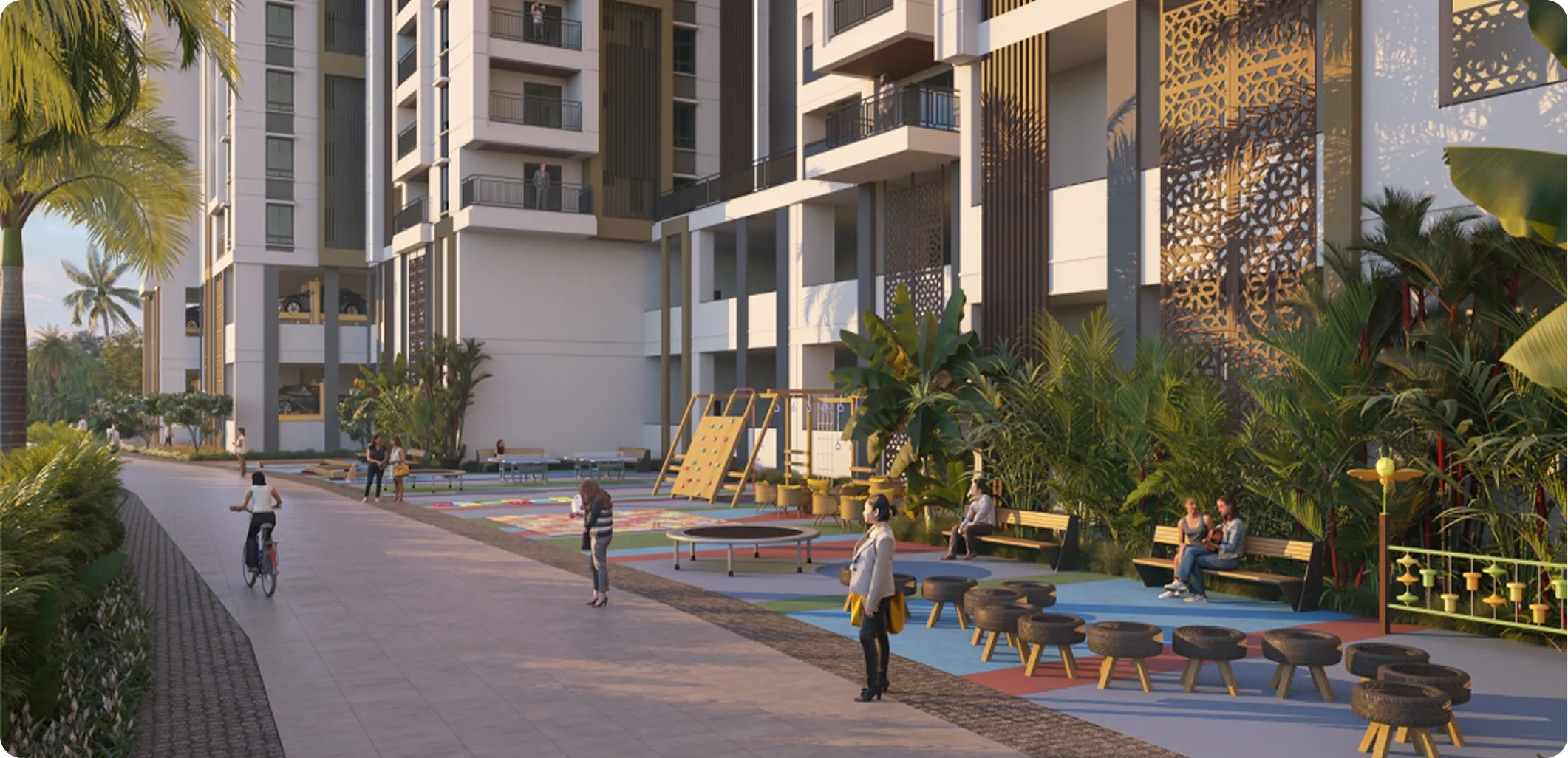
Outdoor urban scene with people walking, cycling, and sitting near modern apartment buildings and a colorful playground area with benches and plants.

At Cadence, we believe informed buyers make stronger decisions. We welcome every opportunity to engage, answer questions, and help homebuyers understand the spaces they’re investing in. Feel free to reach out to our sales team with any queries. 

Geometric design of seven circles arranged in an inverted L shape, with four filled light green circles and three outlined circles.Three vertically stacked dark green circles on a white background.